Living and working in the San Francisco Bay Area, I’ve seen the impact climate-related disasters have on individuals and our communities. In 2017, we experienced one of the deadliest and most destructive wildfire seasons in California’s history. The Tubbs Fire swept through the Sonoma, Napa and Lake counties, destroying over 5,600 structures and leaving communities in ruins. Santa Rosa, the largest city in Sonoma County, was hit particularly hard, with entire neighborhoods reduced to ash — including 2,800 homes, and many lives lost.
It’s hard to ignore the increase in extreme weather events across the country and their impacts on our neighborhoods each year. As the frequency of these disasters intensifies, the urgency to address the climate crisis has reached a tipping point: we face mounting pressures to rebuild quickly and with greater quality and resiliency. To compound matters, the United States is facing a severe housing shortage. Earlier this year, Freddie Mac estimated the national housing shortage at 3.7 million units — a concerning number that continues to grow in the wake of natural disasters.
So, how do we solve this shortage and help make our communities more resilient in the face of a changing climate? At Veev, this question keeps us up at night. We’ve witnessed the inspiring journey of recovery in Santa Rosa. And we believe we have a critical role in helping the community continue to rebuild better, addressing the housing availability gap with more innovative and sustainable solutions.
Why We’re Different
Rebuilding a community is complex. Although new building codes have been adopted, if we rebuild with the same types of homes as before, we — our families, our loved ones — face intensifying risks and challenges with the same tools — tools that are now insufficient, as we’ve painfully learned.
We’re in a new era. We can do better.
At Veev, we’ve spent more than 15 years working to build better. We’ve meticulously deconstructed the home-building process and the materials we use. Using our proprietary approach, we are now building homes that are thoughtfully designed to meet the challenges, risks — and opportunities — of this era. How does this manifest? Our approach to home construction has 3 objectives:
- More Resilient: We use materials that make our homes much more resistant than traditional construction to fire, water, wind and pest damage — the quality we need for today’s world. When faced with threatening conditions, Veev homes are designed to maintain healthier interior air quality, operate through power outages, and resist burning embers from wildfires.
- More Environmentally Sustainable: We specifically designed Veev homes to host systems that maximize energy efficiency and eliminate climate emissions. Our homes are designed for net zero energy usage for the life of the home in the areas in which we operate. Additionally, our building process results in a small fraction of the waste produced in traditional construction.
- More Advanced Approach: We use building processes that reliably result in both high quality homes and dramatically shorter building timelines (60 days or less, compared to 12 months or more with traditional construction). We have the technology and the know-how to end the housing shortage and help serve communities affected by disasters like Santa Rosa.
Why Does it Matter? Sustainable and Resilient Homes Built for Today and Tomorrow
We’ve woken up to a changing Earth. Too many of our homes are designed for needs and the know-how of the past. We must leverage the know-how we have today to live in homes built to meet the realities of today — and the years to come. Veev is leading the way by offering the high quality, resilient, more sustainable, and beautiful homes we need. And we’re continuously improving them.
Here are just a few of the benefits you can expect to experience with a Veev home:
- A home that lasts through nature’s tough challenges: Instead of wood, Veev’s framing is made with light gauge steel (LGS). Wood is susceptible to fire, water damage, rot, termites and other pests. LGS is not. No maintenance required.
- During a power outage, the Veev home is designed to keep the lights on, the refrigerator cold, and heat and cooling systems running. How? Our homes are designed to maximize solar power installation and host a back-up energy storage system that meets today’s energy reality.
- A healthier interior air quality: We equip each room in a Veev home with its own heat and air unit that is fitted with a top quality air filter that removes dust, allergens and other irritants. Interiors consist of tried-and-true, high-performance surface (HPS) walls and stretch ceilings that are resistant to damage, mold and rot that are common to homes built with wood or drywall. Finally, with no gas appliances (nor a gas hookup) in the home, you save yourself and loved ones from unhealthy gas fumes.
- More sustainable: You can rest easier knowing that your Veev home generates more energy than it consumes because of the solar panels and energy storage system. Your room-by-room heating/cooling systems ensure you reduce energy use to only the minimum amount required, and the electric appliances reduce emissions.
Setting a New Standard in Santa Rosa
As I drive through the neighborhood we’re helping to rebuild in Santa Rosa, I’m fascinated by the variety of approaches to new construction. The way the industry builds homes is complex and always-evolving, but I can’t say the homeowner’s long term interests are always at the forefront. At Veev, we believe resiliency should be at the center of the housing evolution.
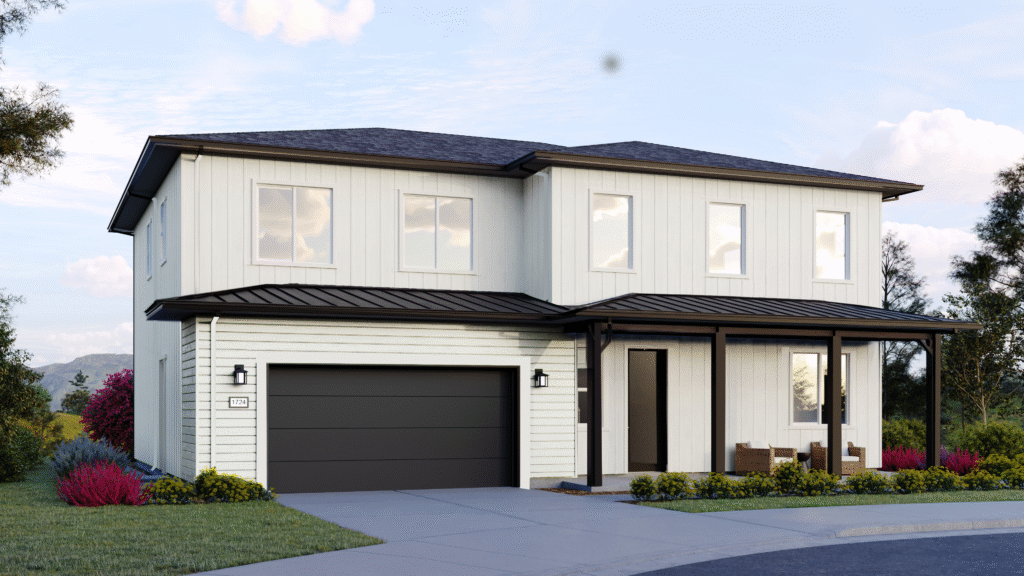
We’re humbled and optimistic about building homes that are better equipped for our current needs and environment. There are now new Veev homes available in Santa Rosa that are a testament to this approach.
Homeowners and communities must come together and advocate for building with resilience. This takes the effort of many — city planners, building associations, builders and legislators. Better building now will ultimately yield better living for generations to come.
This story is just the beginning. Our team has thought not only about how we can live better inside our homes, we have also developed the know-how to build in a more effective way. Stay tuned for upcoming articles!